

DAO Deficiency
What’s Histamine
Histamine is a biogenic amine, a natural molecule well-studied made from an essential amino acid called histidine. It is produced in the body through an enzyme known as L-histidine decarboxylase.
The Role of Histamine in the Body – Endogenous Histamine
Histamine plays many important roles for everyone, both normal body functions and immune system processes. It helps regulate:
- Local blood flow and capillary permeability
- Contraction and relaxation of smooth muscles and blood vessels
- Gastric acid secretion
- Immune and allergic responses
- Inflammatory reactions to infections or injuries
- Tissue healing
- Communication between nerve cells, acting as a neurotransmitter in the brain and nervous system
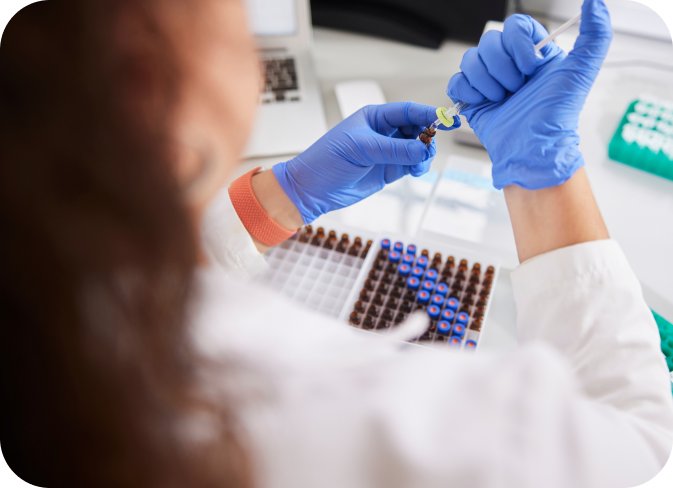
Where Endogenous Histamine Comes From?
Histamine is naturally produced by all living beings and is a normal component present within all body tissues. In humans, the main source of histamine is stored in specific immune cells called mast cells and basophils. When needed, these cells release histamine into the bloodstream.
So, endogenous histamine is essential, and our body uses it efficiently. One of its primary roles is in supporting the immune system.
Histamine in the Immune System
Endogenous histamine plays a key role in allergic reactions. When the body comes into contact with an allergen, mast cells release histamine stored in their granules through a process called exocytosis, triggering symptoms such as itching, swelling, or redness. These responses, and many others, are mediated through four types of histamine receptors (H1R-H4R), which have different expression profiles and biofunctions.
Histamine Receptors in the Body
Histamine acts by engaging to specific receptors located throughout the body. There are four types of histamine receptors, H1, H2, H3, and H4, each with different functions and locations and their activation is associated with clinical manifestations:
- H1 receptors: Found in the smooth muscle cells of blood vessels, bronchi, and intestines, as well as in the heart and sensory nerves. They are mainly responsible for allergic symptoms such as itching, swelling, urticaria, and bronchoconstriction.
- H2 receptors: Located mostly in the cells of our stomach, the heart cells, smooth muscle cells, mast cells, and basophils. They are mainly responsible for stomach acid secretion, hypotension, tachycardia, and headache.
- H3 receptors: Present in the human brain and active in the central nervous system (CNS) as part of histaminergic neurons. They are involved in blood-brain barrier function and play an important role in process of cognition, attention, impulsivity, sleep, feeding, and homoeostatic regulation. They regulate histamine and other neurotransmitters release such as dopamine, norepinephrine, GABA, glutamate, acetylcholine, and serotonin.
- H4 receptors: Located in the bone marrow and in hematopoietic cells, giving rise to specific blood cell lineages. They also play a role in autoimmune disorders, contributing to inflammatory pathways and the regulation of immune responses.
A second source of histamine comes from food. It is known as exogenous histamine.

Histamine from Food – Exogenous histamine
Biogenic amines, including histamine, are formed in food by the action of microorganism decarboxylase enzymes from amino acid precursors. This event does not occur in natural or physiological amines, which are formed during metabolic processes of plants and animals.
Possibility of alternative biosynthetic routes and combined participation of different types of microorganisms and their possible interactions makes it more complicated to determine the exact responsibility of amine biogenesis in food.
Therefore, for histamine to grow in food specific requirements are needed:
- Growth of micro-organisms with decarboxylase activity.
- Availability of amino acid precursors and cofactors.
- Favourable environmental conditions for synthesis and decarboxylases activity (pH, Aw, Tª…)
Unlike endogenous histamine, the histamine we obtain from food does not
serve any physiological function in our body. Therefore, once ingested through the diet, our system must break it down in the intestine through the action of an enzyme called Diamine Oxidase (DAO), also known as histaminase.
However, when the breakdown of exogenous histamine is reduced, most
commonly due to a deficiency of the DAO enzyme, histamine can accumulate in the body, disrupting the balance with our own endogenous histamine. Elevated levels may lead to symptoms affecting two or more organ systems, such as:
High levels may cause symptoms such as:
- Neurologic: Headache, migraine, lack of concentration or vertigo
- Gastrointestinal: Abdominal pain, bloating, constipation, diarrhea or reflux
- Musculoskeletal: Fatigue, muscle or joint pain
- Respiratory: Nasal congestion, sneezing, asthma or runny nose
- Dermatologic: Eczema, flushing, urticaria, pruritus or swelling
- Cardiovascular: Dizziness, hypotonia or tachycardia
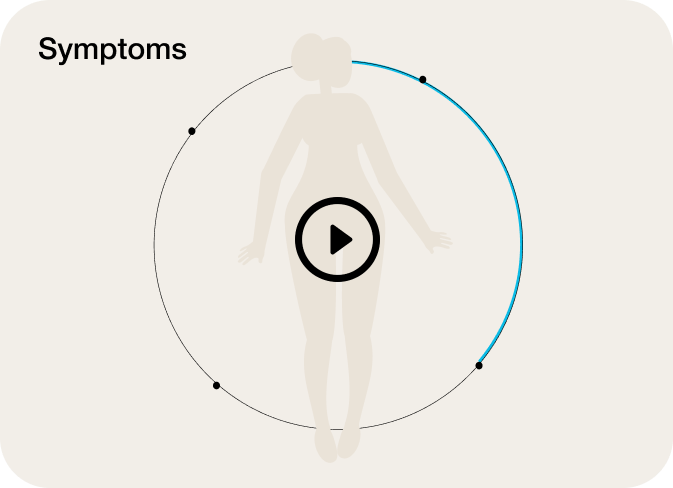
If you suffer two or more symptoms from different systems, it is likely that you have DAO deficiency.
Find out if you suffer from DAO deficiency by completing a simple form