
DAO Deficiency
Foods which interferes in histamine metabolism
Several foods can trigger histamine accumulation in the body, although not all of them are necessarily high in this amine.
Until recently, the symptoms described were often attributed directly to food, without recognizing the real root. We now understand that this complex syndrome originates in the individual, while food simply acts as the vehicle through which histamine enters the body and contributes to its accumulation.
For this reason, it has long been proposed that food labeling should include histamine content, like how allergens are currently declared.
Although the challenge is considerable, only by demonstrating that certain individuals and clinical conditions are genuinely vulnerable to histamine
overload will the food industry recognise the importance of declaring histamine levels and improving quality processes. This would encourage manufacturers to adopt technologies capable of identifying the stages in the process where histamine formation is most likely to occur. Therefore, apply practices that minimise histamine formation, whether by preventing bacterial proliferation, reducing food spoilage, or even developing functional foods with DAO that allow histamine to be naturally managed.
In addition to histamine-rich foods, other factors contributing to histamine accumulation in the body should also be considered. Therefore, if histamine labeling were introduced, it would be important to clarify that food is not the only factor influencing histamine metabolism.
Such factors include other biogenic amines that compete with histamine through the same metabolic pathways, endogenous histamine-releasing substances, and even components that saturate the enzyme diamine oxidase (DAO) activity, such as acetaldehyde (ALDH) present in alcohol. Like histamine, biogenic amines could potentially be modified through specific production technologies; however, neither the methodology nor the associated costs have yet been established.
For this reason, a low-histamine diet is recommended, not as the sole preventive measure, but as the main broader approach that considers additional contributing factors. Several parameters must be adjusted, which makes maintaining a balanced diet particularly challenging.
Histamine-rich foods
There is still no consensus on the criteria used to determine whether a food is considered high in histamine or not.
Some authors recommend eliminating from the diet any food ranging between 5-50 mg/kg of histamine, while others apply stricter criteria, classifying as low- histamine those foods with concentrations below 1 mg/kg. What is clear, however, is that the symptomatic dose in histaminosis is much lower than the toxic dose.
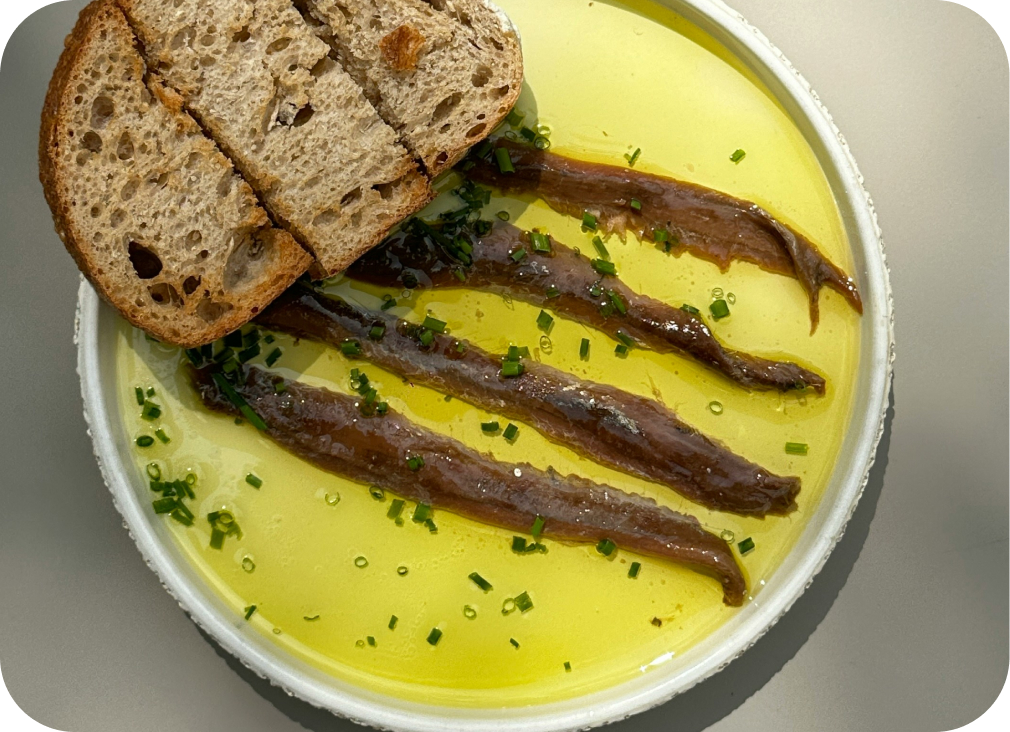
Traditionally, research on histamine content has focused on foods associated with histamine poisoning episodes, such as oily fish. However, this is a misconception, as the mechanism responsible for histamine accumulation in these cases differs. Such incidents are sporadic outbreaks that affect the
general population as a result of poor food handling or lack of hygiene. Although several public food-composition databases exist in Europe, none of them provide official guidance on histamine levels in foods.
To date, no public regulatory framework defines acceptable histamine thresholds for the general population. Even EFSA’s scientific opinions on biogenic amines highlight the wide variability of histamine content across foods and the lack of standardised reference values, underscoring the need for future guidelines. Values are not properly coincident in any food among different sources, since histamine amount varies depending on the fermentation degree. For this reason, it is difficult to define a specific value for each food product.
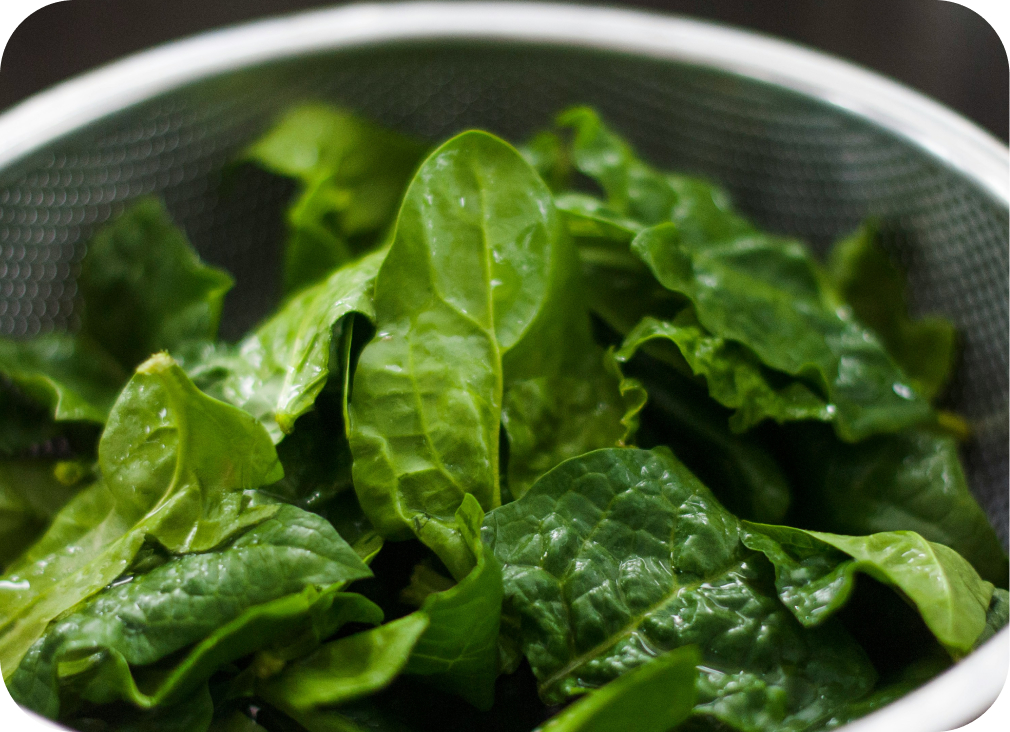
Within the category of foods considered high in histamine, we find those that naturally contain histamine, such as spinach, those that have undergone spoilage processes, like certain meat or fish products, as well as fermented foods, including aged cheeses, wine, beer or vegetables such as kimchi. In addition, a low-histamine diet also limits, to varying degrees, foods rich in other biogenic amines, foods described as histamine liberators, and alcoholic beverages.
Food rich in other amines
In addition to histamine-rich foods, patients with low diamine oxidase (DAO) activity may experience DAO saturation when consuming foods high in other biogenic amines, such as putrescine, and cadaverine, especially when these are eaten together with histamine-rich foods. Putrescine and cadaverine also rely on DAO for their degradation, and their affinity for DAO is higher than that of histamine. As with histamine, the amount of amines can vary across different food types. Depending on the relative abundance of biogenic amines, foods with the same histamine content may or may not trigger symptoms.
Nevertheless, to prevent symptoms, specific thresholds for certain amines have been proposed to indicate their maximum tolerable levels. However, these values refer only to toxicity, as no data yet establish the relationship between the intake of amine-rich foods and DAO saturation.
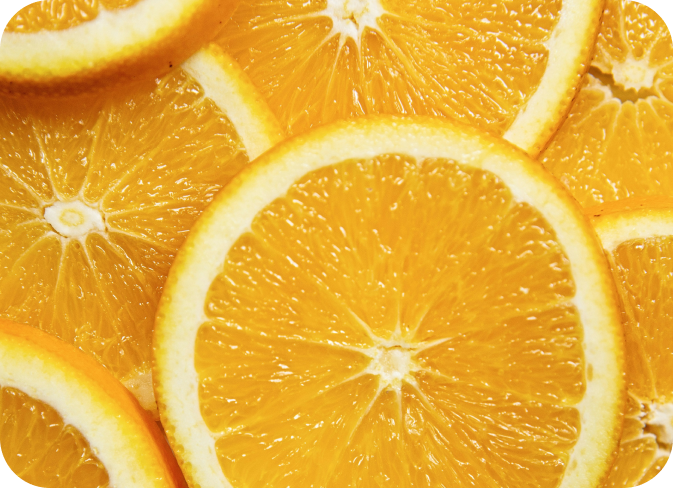
Among the foods high in other biogenic amines that are typically restricted in the first phase of a low-histamine diet are oranges, bananas, and tomatoes.
Endogenous Histamine-Releasing Foods
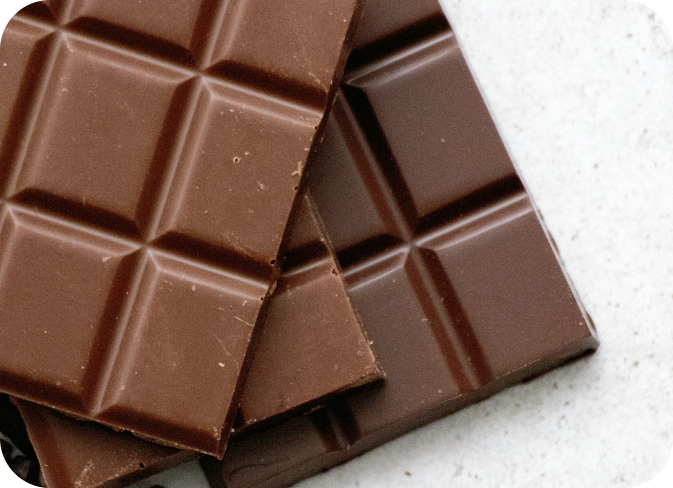
This group includes foods that are believed to promote the release of endogenous histamine, specifically, the histamime stored in mast cells. Several foods with this potential effect have been described in the literatura, although the exact mechanism remains nuclear, as the IgE-mediated pathway does not appear to be involved. Common examples include strawberries, tomato, shellfish, chocolate, nuts, milk and egg white.
DAO blocking foods
The final group of foods that can promote the absorption and accumulation of histamine in plasma are alcoholic beverages.
The metabolism of ethanol interacts with histamine metabolism, not because both are metabolized by diamine oxidase (DAO), but because their metabolites, acetaldehyde (from ethanol) and imidazole acetaldehyde (from histamine), compete for the same enzyme, aldehyde dehydrogenase (ALDH). This enzyme is responsible for breaking down both alcohol and histamine metabolites. As a result of this competition, histamine metabolites accumulate, potentially saturating DAO activity and leading to higher circulating histamine levels.
Alcohol is one of the most problematic substances for patients with DAO deficiency. Not only does it contain histamine, cadaverine, and other amines,
but it also promotes DAO saturation, even in healthy individuals without genetic DAO deficiency.
Ethanol acts aggressively on DAO, meaning that histamine can accumulate in the bloodstream even when DAO activity is within normal ranges (above 80HDU/ml or 12 U/mL).
This mechanism is clearly reflected in the symptoms associated with a hangover. Most people, including those with normal or borderline DAO activity, experience a characteristic set of symptoms (general discomfort, headache, fatigue) largely due to elevated circulating histamine.
Low Histamine - diet
Phase 1
This is the strictest phase of all. It consists of limiting the intake of histamine and other biogenic amines as much as possible. Whenever possible, it will be recommended to supplement the diet with enteric-coated (gastro-resistant) exogenous DAO enzyme. This phase usually lasts a minimum of 4 to 8 weeks.
Phase 2
As the patient’s symptoms improve, progress is made in the reintroduction of foods from the diet. Normally it is recommended to start with one food a week reviewed by a specialist registered nutritionist.
Phase 3
It is the last phase and the widest of all. It must be personalized because not all patients manage to reach the same number of reintroductions per week. In the event that you feel a worsening of symptoms, you can resume phase 1 or 2 at any time.