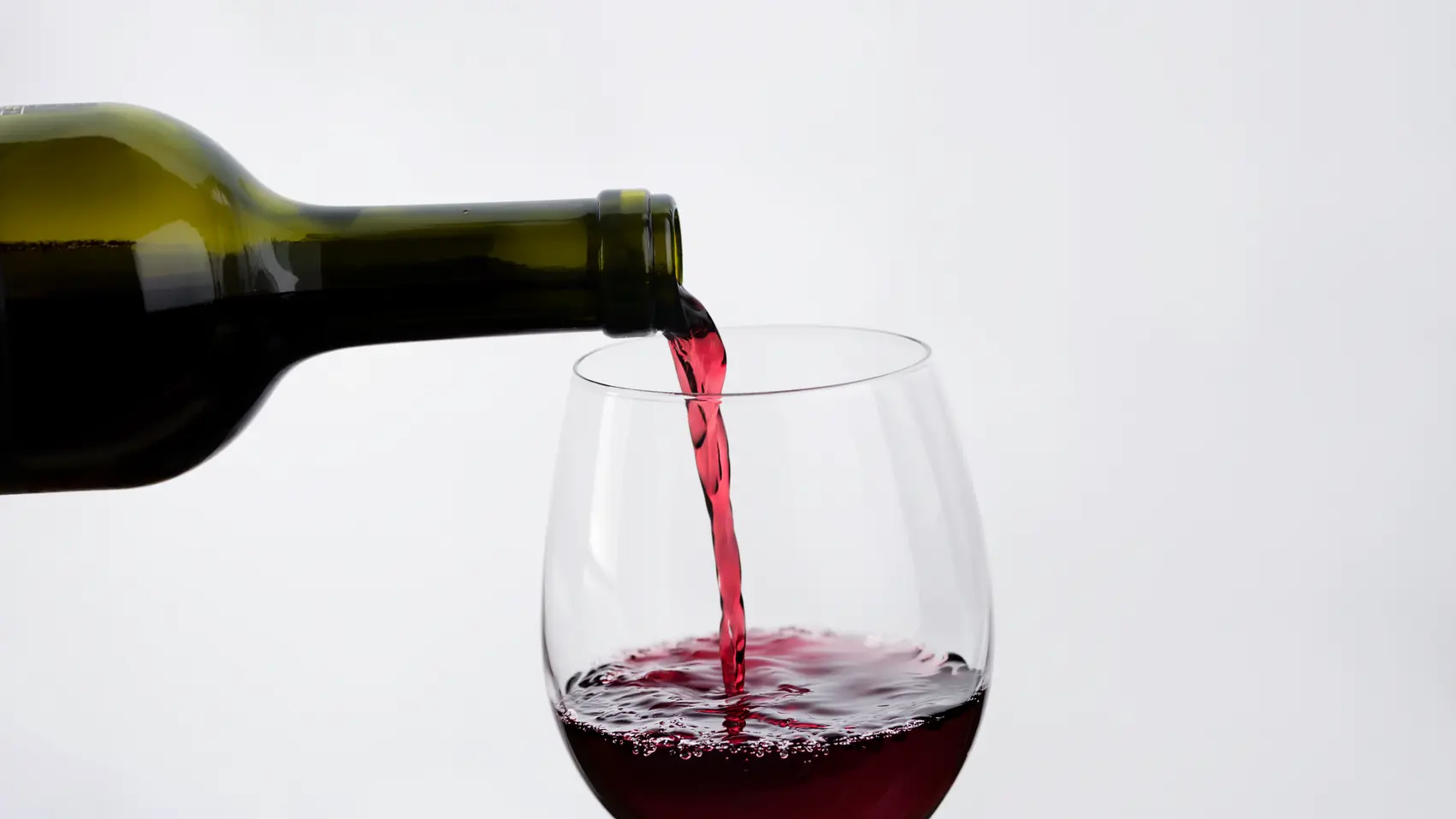
If you have DAO enzyme deficiency, you may already know that alcoholic beverages are counterproductive for you. Do you know why?
Ethanol intake leads to a histamine circulating levels increase, probably due to the fact that ethanol causes:
- A DAO enzyme decrease in the intestinal mucosa, even in healthy individuals without any DAO enzyme genetic deficiency.
- A DAO inhibition, probably due to the fact that alcohol competes with histamine to be broken down inside our organism. This leads to histamine accumulation, which inhibits DAO enzyme.
- A histamine release increase by the intestines mast, which could contribute to intestinal mucosa damage.

Histamine accumulation, because of alcoholic beverages intake in this case, often leads to several symptoms, such as:
- Migraine
- Intestinal upset
- Atopic skin
- Fatigue
Above all alcoholic beverages, the ones which contain a higher amount of histamine are those which have been obtained through a double fermentation. This is the case for sparkling drinks, such as cava or champagne, beer or sparkling wine. Next to those, we would find wine, liquors and distilled drinks.
As a neurotransmitter, histamine has an important role in the systems which control the sleep-wake cycle. In particular, histamine concentration is at its highest level during wakefulness and very low during the REM sleep cycle. Therefore, if DAO enzyme helps to reduce histamine levels, it could improve sleep quality, reducing the number of times we wake up during the night as well as sleep fragmentation.
Bibliography
International DAO Deficiency Society, 2014